THE BRAND

El Ron de Cuba
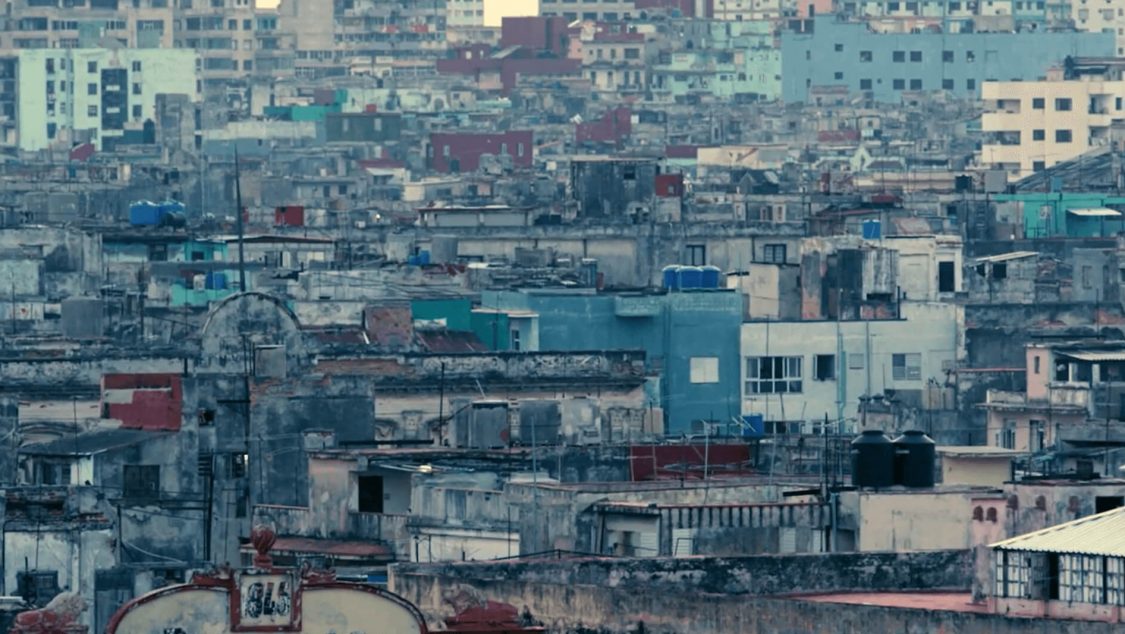
Rum is an essential part of Cuban culture, shaped by the country’s climate, geography, history and people. As its finest expression, the Havana Club range represents this rich heritage. Produced by Maestros del Ron Cubano following traditional Cuban rum making methods, the Havana Club rum embodies the spirit of Cuba, enjoyed by Cantineros and rum drinkers around the world to the rhythm of the best Cuban music.
THE ART OF RUM MAKING
Rum drinking as a heritage of Cuban culture
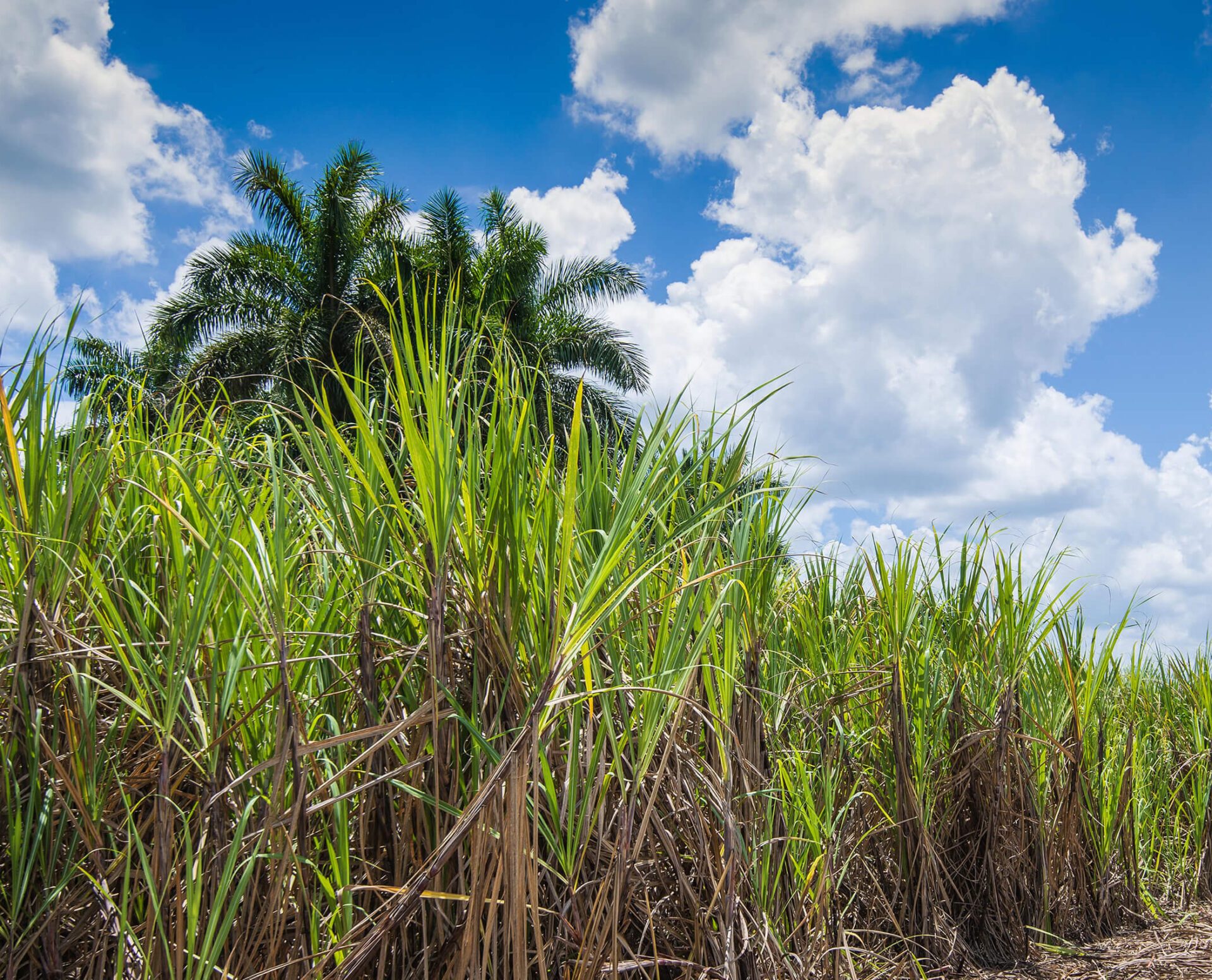
Cuba: The most beautiful island, the perfect sugar cane
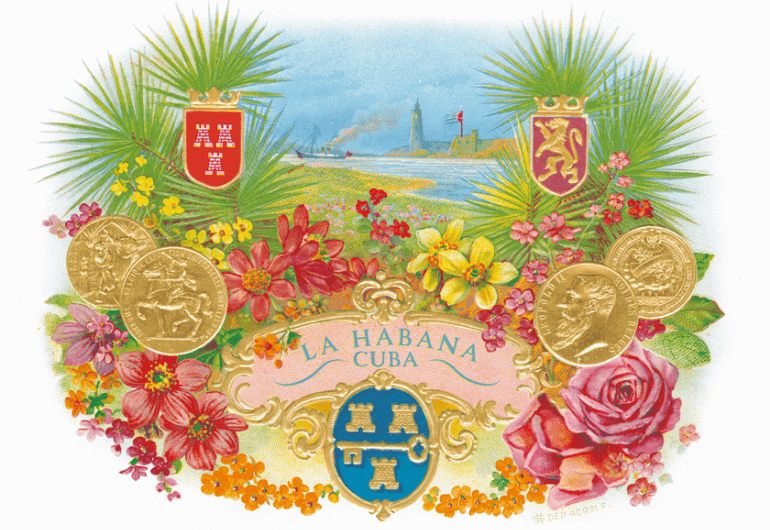
When he first set sight on Cuba on the 28th October 1492, Christopher Columbus is said to have declared it was “the most beautiful island of all”. After its introduction onto the island, sugarcane was so perfectly suited to Cuba’s rich soils and climate that, by 1850, the country provided a third of the world’s sugar.
The beginning of the rum industry
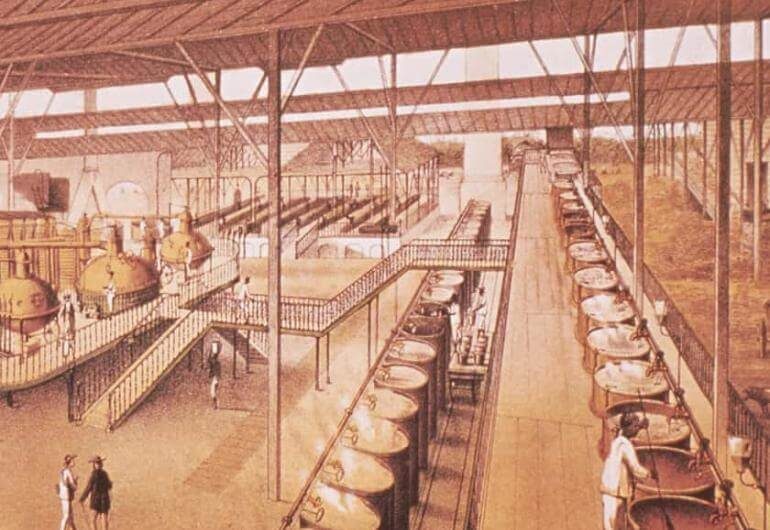
Sugar production and rum go hand in hand, but Spain initially refused to let its colonies distil, in fear of competition for its own spirits. It was not until the second half of the 19th century, when Cuba was fighting for its independence, that a real rum industry could grow.
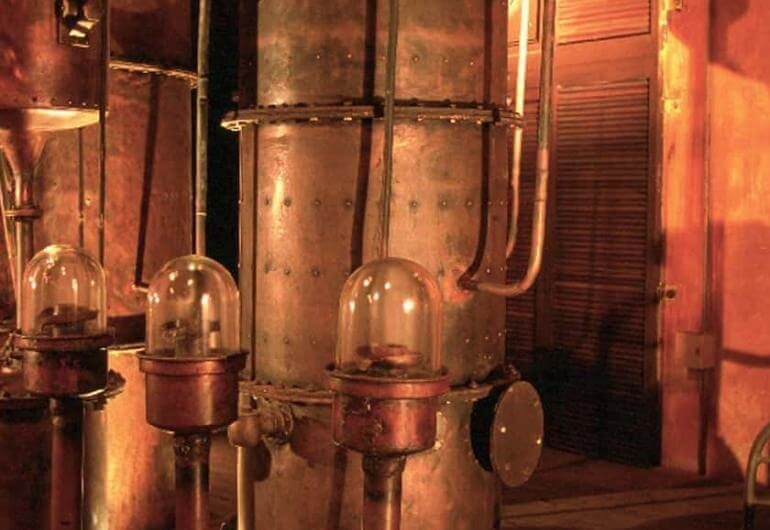
The lightest rum for the freshest cocktail recipes
By the late 19th century, new technologies had arrived on the market and Cuban rum producers were early adopters of column stills. Thanks to their boundless creativity, they saw all the potential of these tools and were able to develop, with exceptional raw materials, a new style of rum, lighter and fresher and characteristically Cuban.
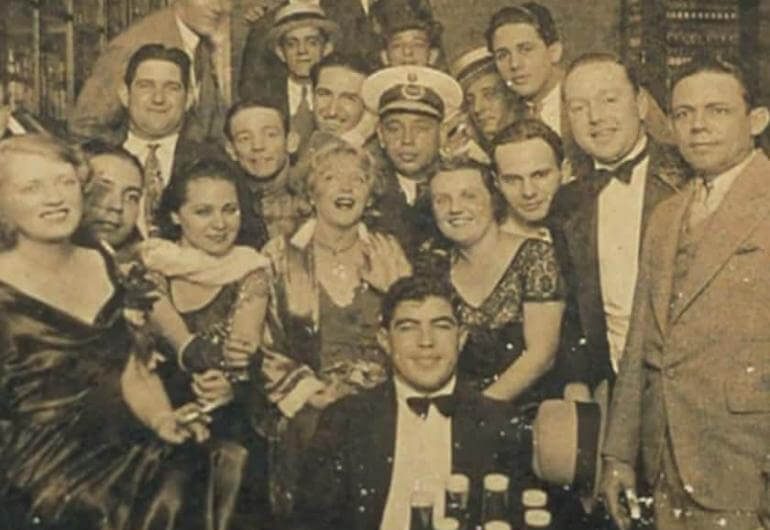
Cocktail time in Cuba
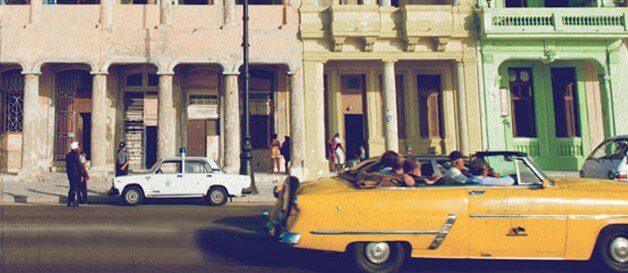
This new rum became the perfect partner for bartenders in the early 20th century, when Cuba discovered mixology. During Prohibition, American tourists came to Havana in large numbers and built up the international reputation of local bartenders, called Cantineros.
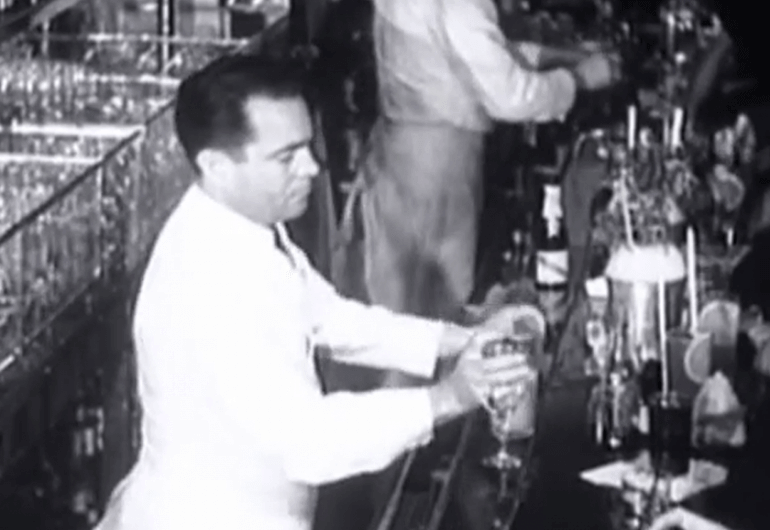
Cocktail recipes of the cantineros
The Cantineros developed their own cocktail style and turned towards Cuban rums like Havana Club to create classic rum drinks such as the well-known cocktails Daiquiri, Mojito, Presidente or Cuba Libre. To this day, Cuban cocktails made with Cuban rums remain some of the world’s favourite tipples.
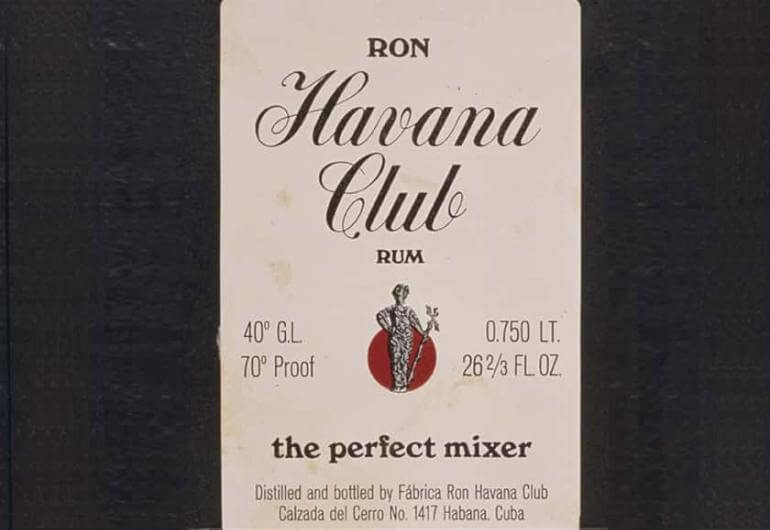
Havana Club became "El Ron de Cuba"
In the early 1970’s, a new logo was created, symbolizing the sun that shines on the island and makes its rum so rich, the warmth of the Cuban people and the Giraldilla, the emblem of the city of Havana and its free spirit.
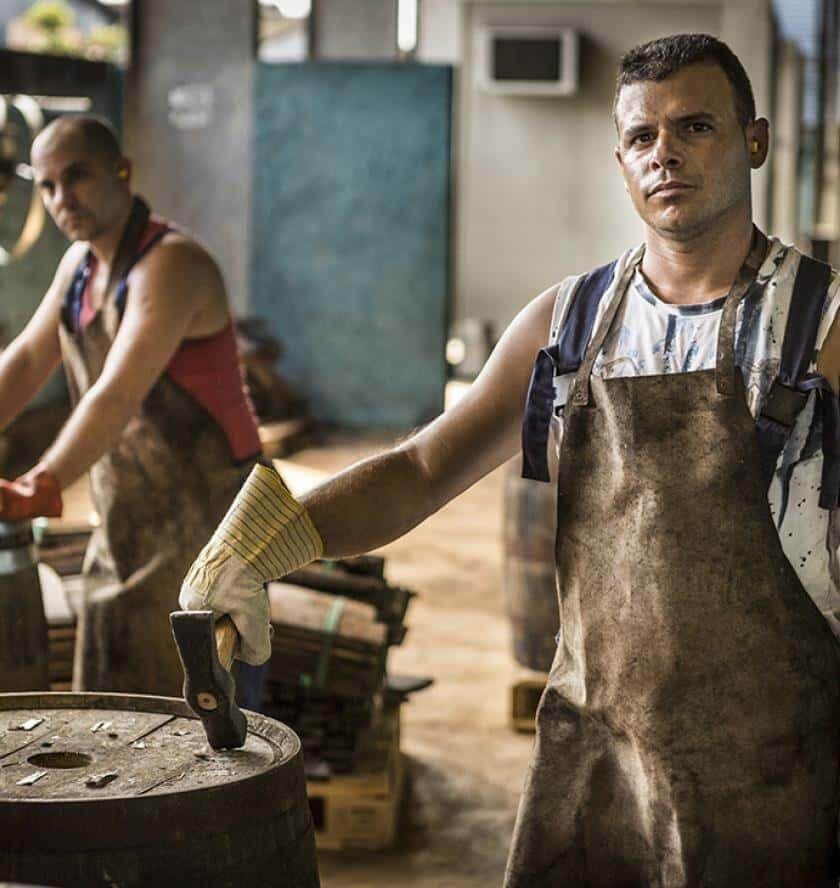
The Cuban rum that conquered the world
In 1993, Pernod Ricard S.A. and Corporación Cuba Ron S.A. created the joint venture Havana Club International S.A., to bring Havana Club to consumers around the world. Thanks to the production team in Cuba, our rums are now the most rewarded Cuban rums with 168 medals in tasting competitions in the last four years alone.
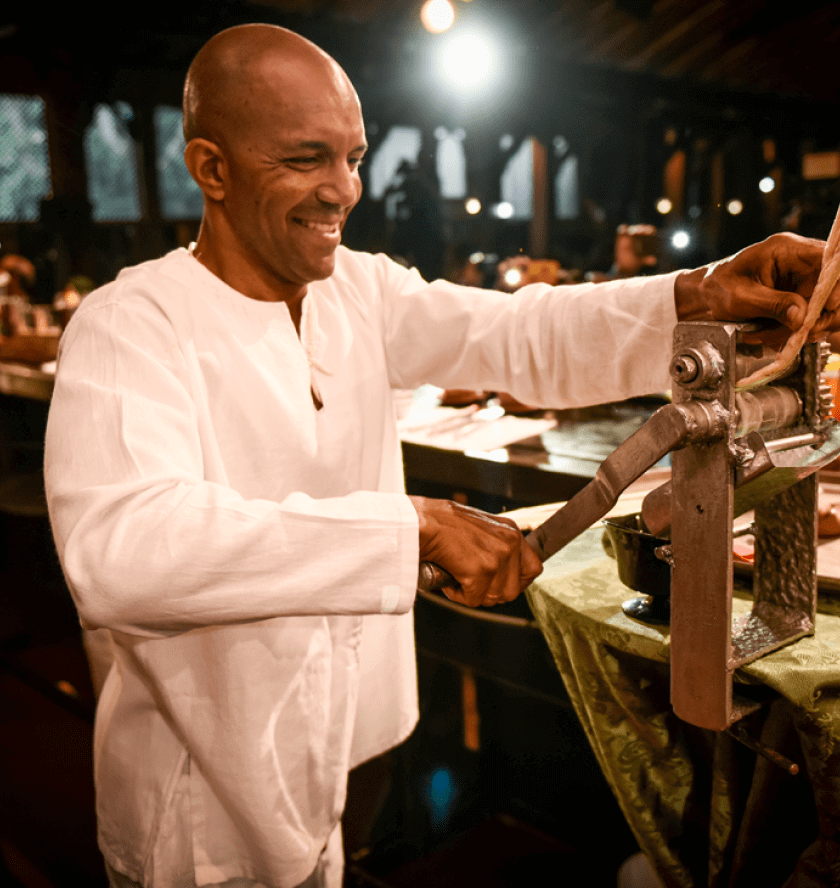
Rum making and the museum of Rum
Cuban rum cannot be understood without Cuban culture or Cuban people. Since 1996, Havana Club has organised the Havana Club Grand Prix, one of the oldest and most prestigious competitions for professional bartenders. Since 2009 Havana Cultura has supported and showcased Cuban talents worldwide with great success. To those who want to know more about Cuban Culture, a visit to our Museum of Rum offers a real-time experience of the rum-making process.
OUR PEOPLE
Rum crafted by Maestros del Ron Cubano
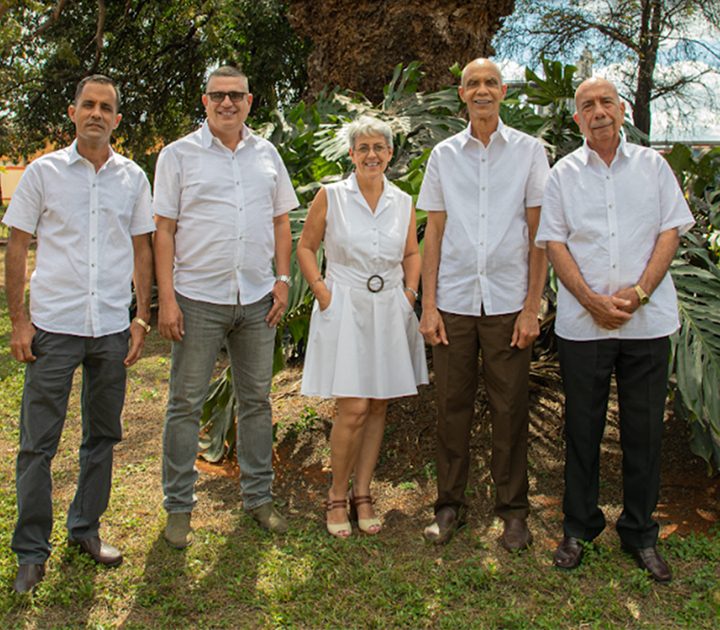
The values of Havana Club are best represented by the Maestros del Ron Cubano. Theirs is not a job taught in textbooks. As Don José Navarro, the premier Maestro del Ron Cubano put it, it is “a cultural heritage, passed on from Maestro to Maestro”. For 15 long years the aspiring Maestro undergoes through a rigorous training. Under the supervision of a senior Maestro del Ron Cubano, they learn to select the best molasses, supervise their fermentation and distillation, pick the best casks to age the distillates and blend them to obtain the finest rums. A Maestro del Ron Cubano is a true master of their craft.
THE RUM MAKING PROCESS
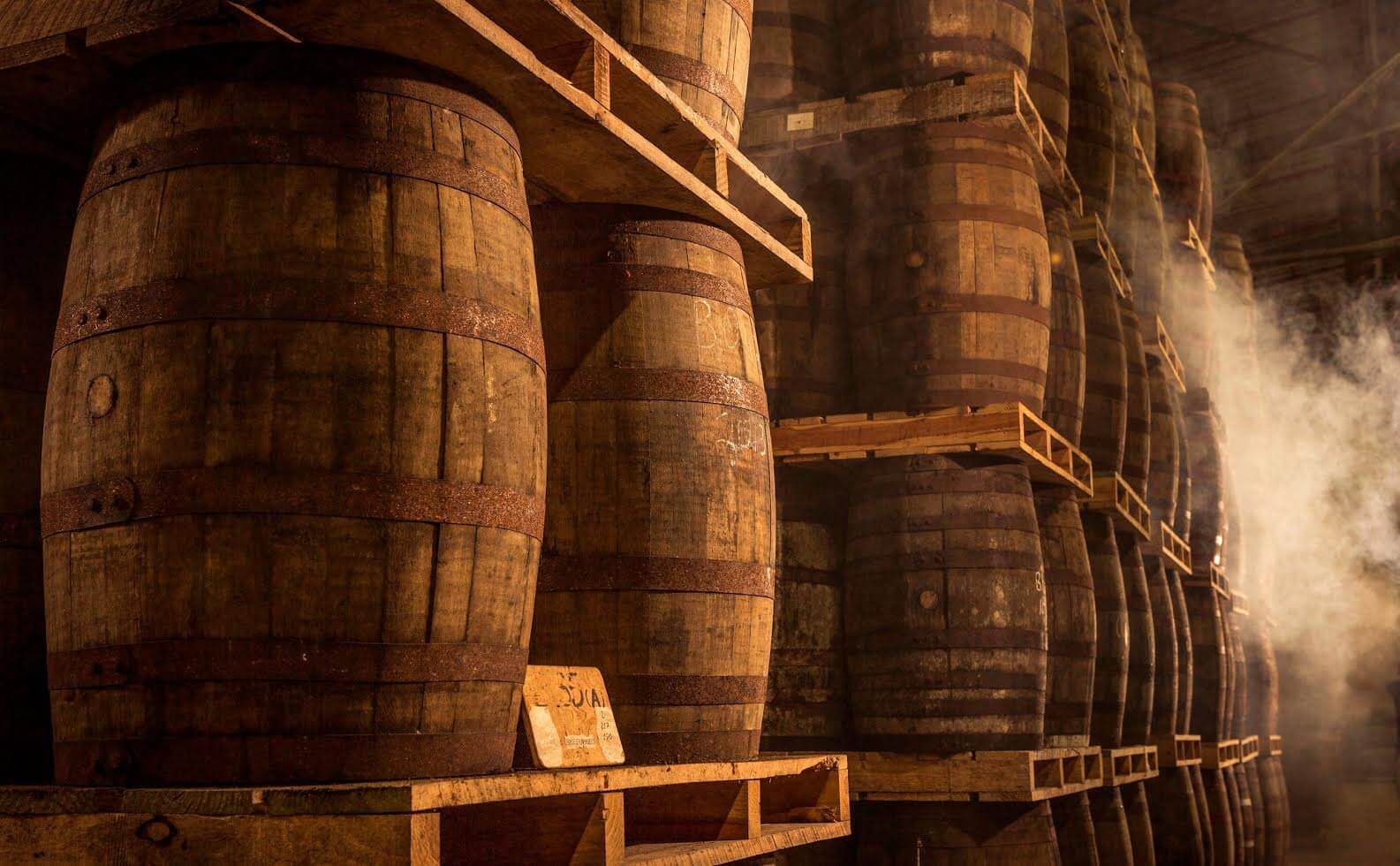
The finest rums need time
“What makes Havana Club special? It’s the unique ingredients that nature has provide: rich sugar cane, fertile soil, the perfect tropical climate that gave Cuba the nickname “the isle of rum”. It’s the people: from the harvesters and the teams in our distillery to the master rum-maker, all driven by a passion for this Cuban tradition. And it’s also time, for every single one of our rums is aged for at least three years. Is it worth it? We think so.
“Cuban rum has its own specificities that are very hard to replicate anywhere else than in Cuba.”
Don Juan Carlos Gonzalez, Maestro del Ron Cubano”
Our best-selling rums
Our three best-selling rums Havana Club 3, Havana Club Especial & Havana Club 7 embody the Cuban rum style, with its lightness and freshness paired with the complexity and elegance that comes from natural tropical ageing. Each rum undergoes a distinct ageing process to release the optimum flavours for specific cocktails or simply for sipping.
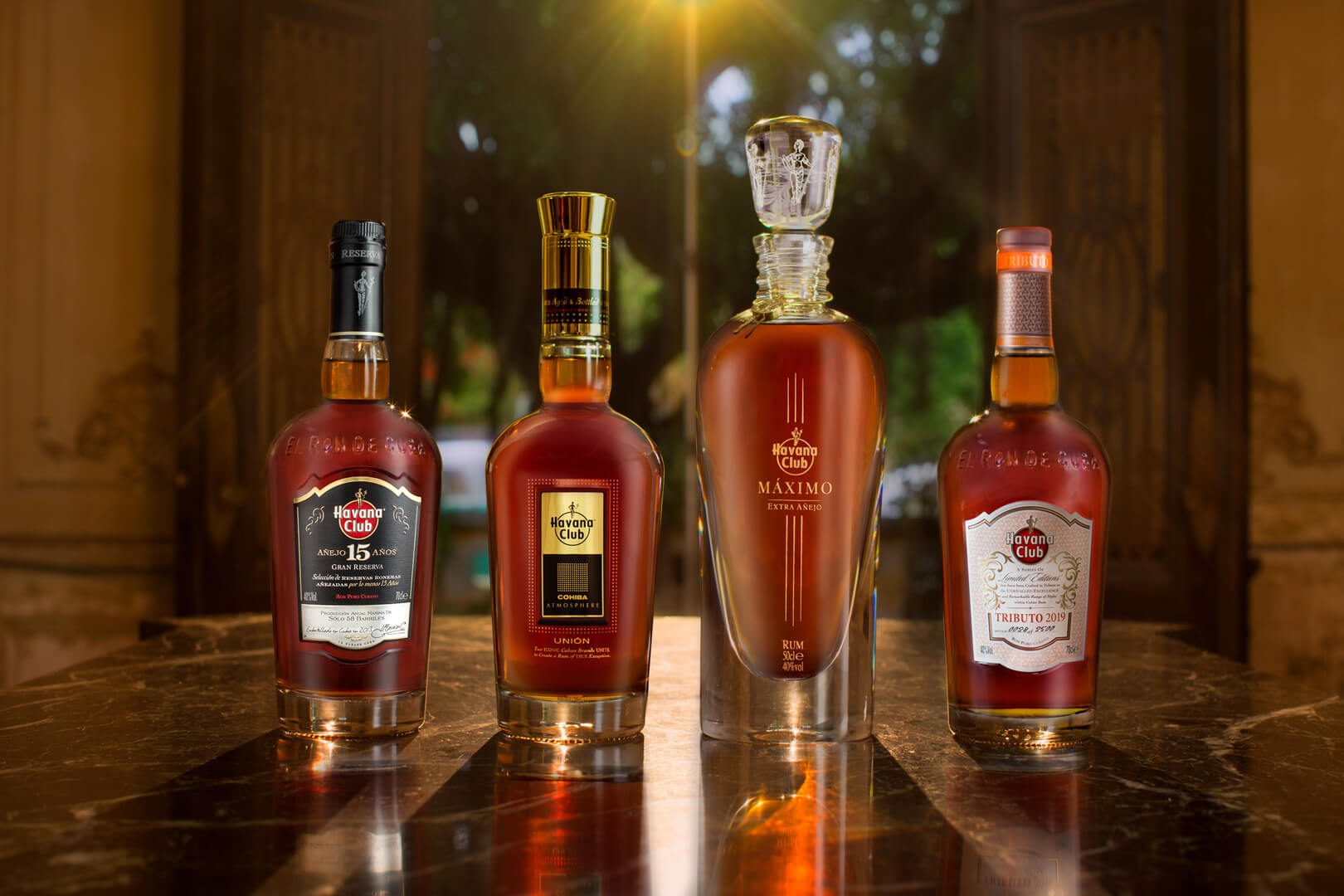
Tradition and heritage of Cuban rum: The Havana Club prestige collection
The Havana Club Prestige Collection harnesses the expertise and passion of Cuba’s Maestros del Ron Cubano to create exceptional rums that can challenge even the most refined palates. Each rum is a rare expression of the work of the Maestros del Ron Cubano, past and present, created for sipping and savouring.
CULTURA
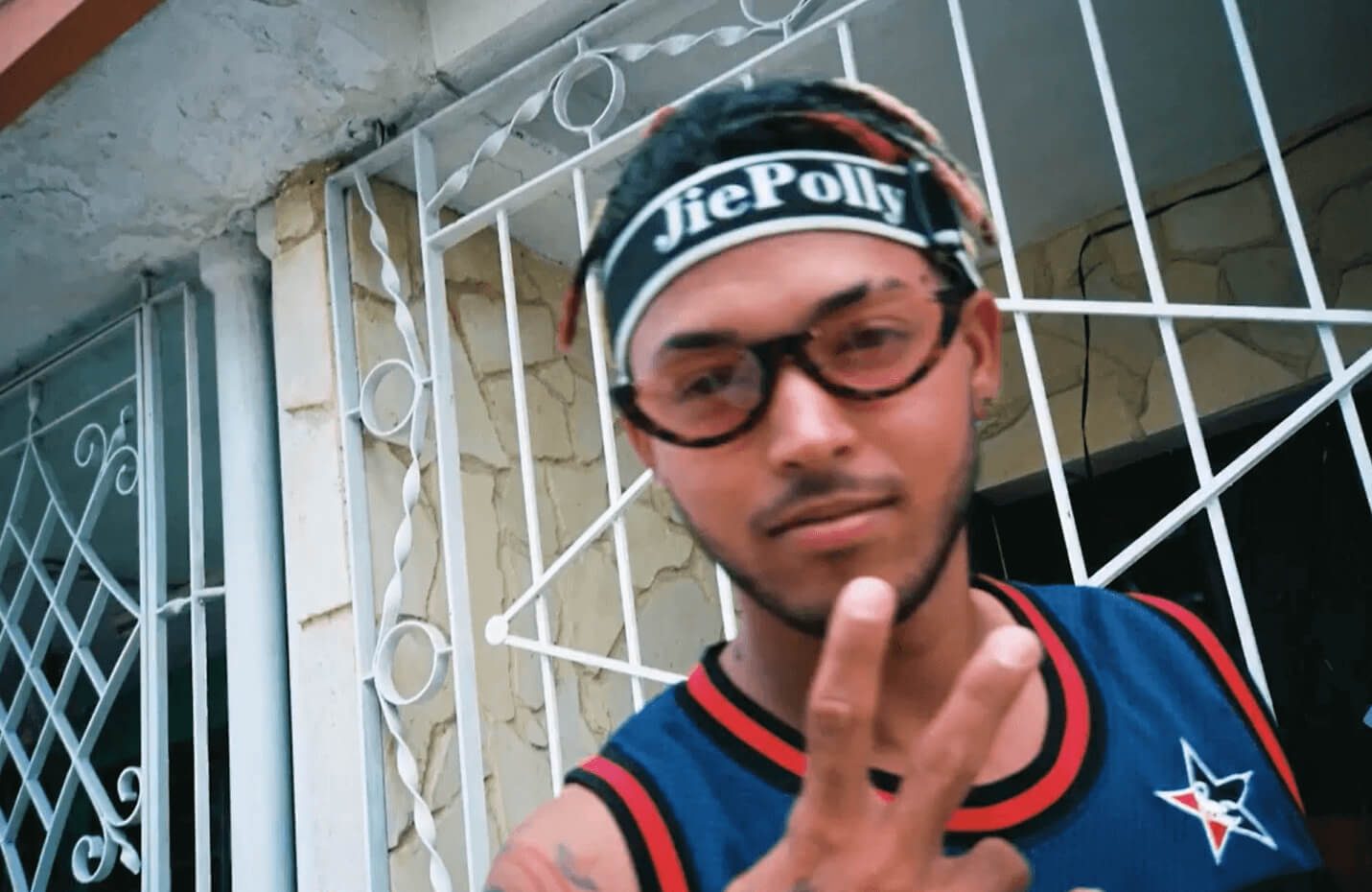
HAVANA CULTURA
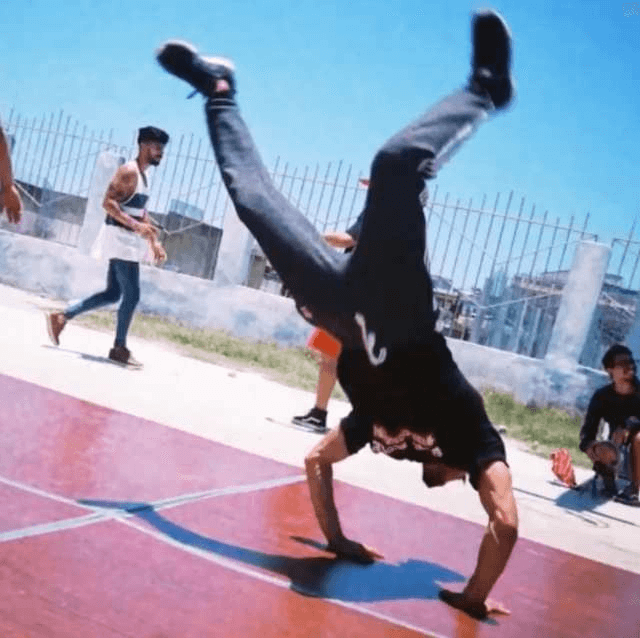
Just like our rum, Cuba’s artistic scene has a style, richness and vibrancy of its own! Through the Havana Club Cultura initiative, we’ve been committed since 2007 to helping Cuban artists show the world what they do and to letting the world see and hear what these artists have to say about their work, their life and their country. Want to get a flavour of the Cuban arts scene?
Our Commitments
Sustainability & Responsibility
Sustainability & Responsibility is part of our history. It draws on our vision ‘Créateurs de Convivialité’ and is one of our business priorities. From ‘grain to glass’, S&R is at the heart of our business and everyone has a role to play in delivering this new plan.
We bring good times from a good place, to create a more convivial world, a world without excess.
Circular making
The world is made of finite resources, under huge pressure. Havana Club is committed to minimizing waste at every step by imagining, producing and distributing its products in ways that optimize and help preserve natural resources.
Valuing people
Convivialité is about sharing, warmth, care and respect for people everywhere. This commitment is related to increasing diversity and fairness for all its people and empowering people across its supply chain.
Responsible Hosting
Wine & Spirits bring people together and serve a valuable role in society. Havana Club is committed to fighting alcohol misuse in society by taking action on harmful drinking and engaging with its stakeholders for real change.

Nurturing terroir
Every Havana Club product takes its character from the land where it was grown. This area of commitment focuses on nurturing every terroir and its biodiversity, responding to the challenges of climate change to ensure quality ingredients now and for generations to come.